Your car's paint is under attack every single day. Not by one thing — by about ten of them, all at once, all the time.
Most people only notice when the damage is already done: the swirls that show up in sunlight, the dull etching where a bird dropping sat too long, the water spots that won't wash off anymore. By then you're paying for paint correction instead of prevention.
So here's the honest list — the ten real car killers I see in my shop, what each one actually does to your paint, and how to stop it.
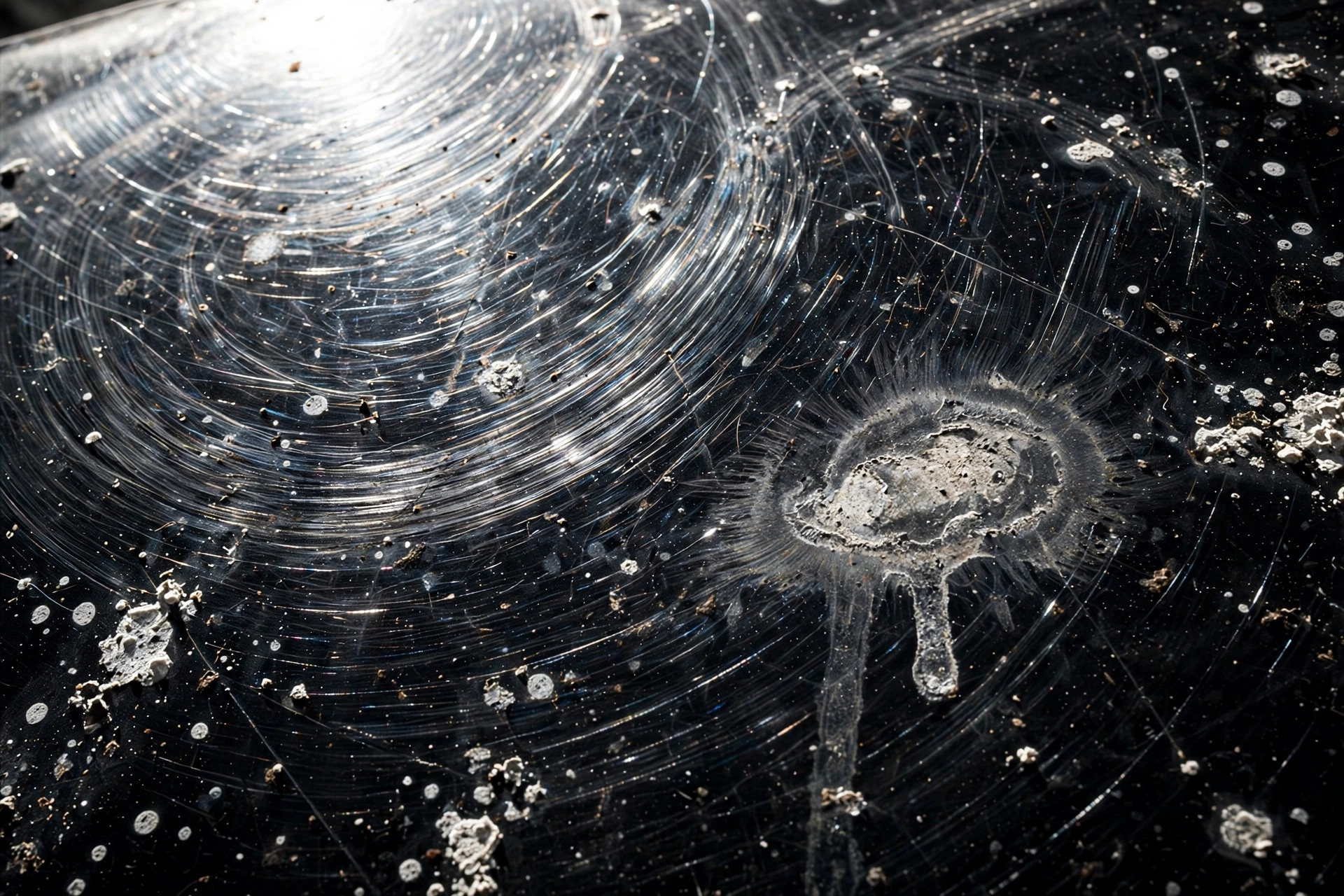
1. Automatic Brush Car Washes
Those spinning brushes and hanging mitt curtains are dragging every bit of grit from the hundred cars before yours straight across your clear coat. Thousands of micro-scratches per visit. This is the #1 source of swirl marks I fix in my shop — bar none.
The fix: wash by hand with the two-bucket method, or use a touchless wash only when you're in a pinch. (More on that in our car wash guide.)
2. Bird Droppings
Bird droppings are uric acid — pH around 3 to 4.5. On a hot hood in direct sun, that acid starts etching into your clear coat within hours. I've seen a single dropping leave a permanent ghost mark after one summer afternoon.
The fix: get it off ASAP with a quick detailer spray and a plush microfiber — never wipe it dry. A ceramic coating doesn't make you immune, but it buys you hours instead of minutes.
3. Tree Sap
Sap is a cocktail of sugars, resins, and acids. It lands soft, then the sun bakes it rock-hard and bonded to the clear coat. Scrape it off dry and you'll scratch the paint; leave it and the acids etch straight through.
The fix: remove it fast with a dedicated tar and sap remover, always with lubrication. And this is exactly what a ceramic coating is for — a sacrificial barrier that takes the chemical beating so your clear coat doesn't have to. Full breakdown in our tree sap guide.
4. Road Salt & Brine
Chloride ions are relentless. They creep into every stone chip and scratch, hold moisture against the metal, and eat from the inside out. Modern liquid brine is worse than old rock salt — it sticks to everything and stays wet longer.
The fix: get protected before winter, and wash frequently through it with special attention to the underbody. Our Winter Protection Guide covers the full routine.
5. UV and Sun Baking
Ultraviolet radiation breaks down the polymers in your clear coat over time — that's oxidation, fading, and eventually clear coat failure where the clear literally delaminates from the base coat. A car that lives outside in the sun ages years faster than a garaged one.
The fix: shade or garage whenever you can, and use a coating with real UV resistance. Sunscreen for your car isn't a gimmick — it's chemistry.
6. Bug Guts
Splattered insects are acidic proteins. Left to bake on a hot hood or bumper for a few days, they etch into the clear coat just like bird droppings do. Summer road trips are the worst offenders.
The fix: get them off within a day or two with a dedicated bug remover and a presoak — never scrub them dry. On a coated car, they usually wipe right off. That's the whole point.
7. Hard Water Spots
When hard water evaporates on hot paint, it leaves calcium and magnesium minerals behind. Left in the sun, those minerals bake into the clear coat — and at that point no amount of normal washing removes them.
The fix: always dry the car after washing, never let sprinklers hit it, and hit fresh spots with a water spot remover before they bake in. Prevention is a five-minute job; correction is a multi-hour one.
8. Brake Dust
Every time you brake, red-hot iron particles shear off your pads and embed themselves in your wheels — and the paint behind them. Then they oxidize, pit, and stain. This is why wheels go from silver to brown-black.
The fix: regular iron decontamination (watch it bleed purple — that's the iron dissolving), and get your wheels ceramic coated — barrels and faces. We do this in the shop constantly. Details in our iron decon guide.
9. Bad Wash Technique
One bucket. A dirty mitt. Dish soap. This is how good people accidentally destroy their own paint — grinding the dirt they just removed right back into the clear coat, and stripping off whatever protection was there.
The fix: two buckets with grit guards, pH-neutral car soap, clean mitts, and proper drying. It takes the same amount of time as doing it wrong. Our coating maintenance guide covers the full routine.
10. Plain Neglect
The biggest killer of all isn't any one thing — it's letting all nine above compound for years. That's how you get chalky oxidation, failing clear coat, and paint that looks a decade older than the car.
The fix: a maintenance cadence — regular washes, seasonal decon, protection that actually lasts. And here's the honest part: most neglected cars can still be saved by a professional detailer with paint correction long before they need a body shop. If the clear is peeling and flaking off or rust is through the metal, that's body shop territory and I'll tell you straight. Anything short of that, we can usually bring back.
The Bottom Line
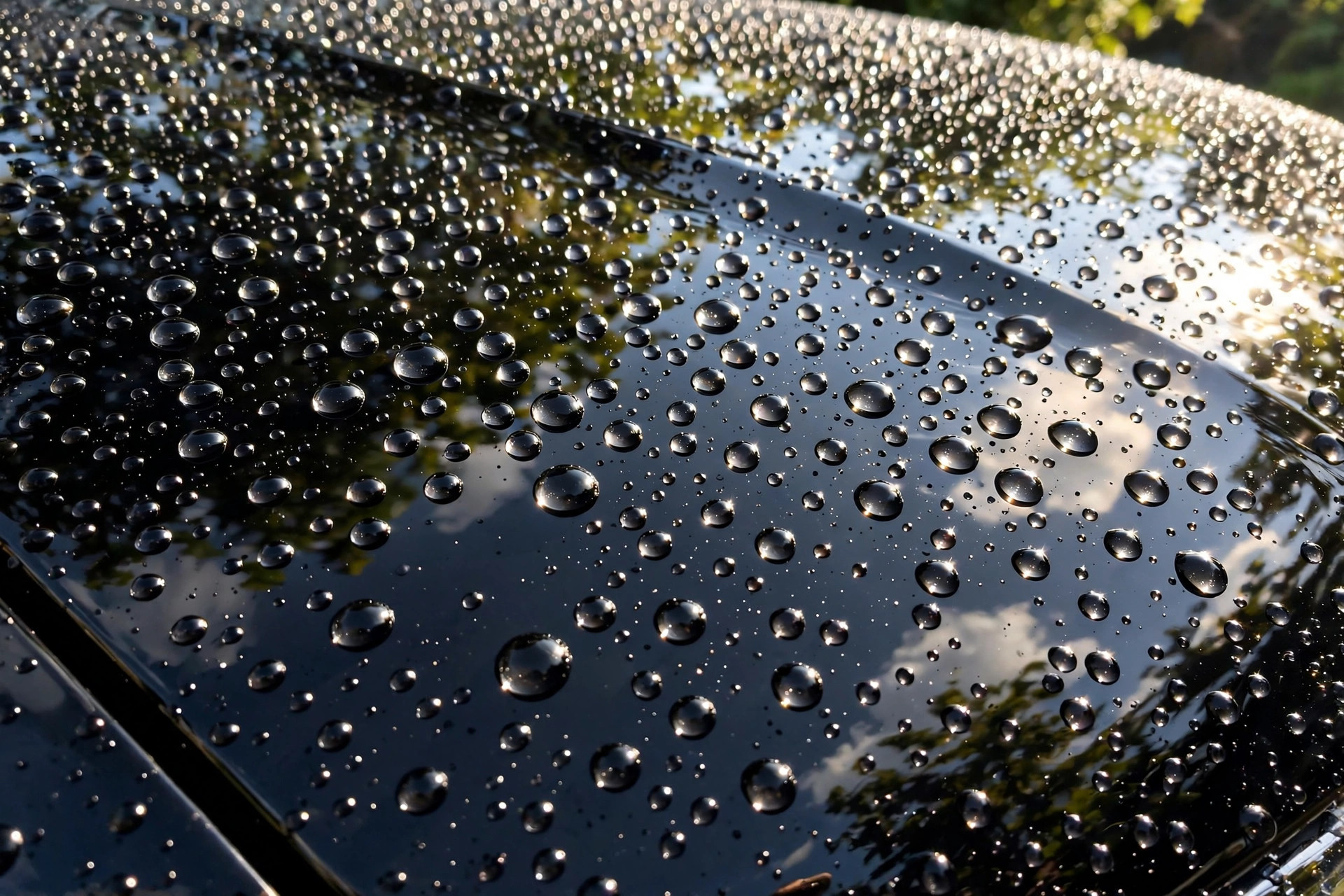
A ceramic coating won't make your paint bulletproof — anybody who tells you that is lying. But it is the single best defense against most of this list. It's the sacrificial layer that takes the acid, the minerals, the UV, and the contamination so your clear coat doesn't have to.
We coat with professional-grade Undrdog products in our shop because they hold up against exactly this stuff — the chemicals, the salt, the sun. Pair that with the habits above and your paint stops aging in fast-forward.
Message us today and let's get your car protected before the next killer on this list finds it.
Vinnie's Auto Detailing and Ceramic Coating — Brookville, PA. ⭐100% Five Star Reviews⭐ | ☎️ 724-689-5482