Every car on the road today wears essentially the same finish: a thin layer of color covered by a thin layer of clear. Understanding those two layers — and how little of the top one you actually have — changes how you think about washing, polishing, and protecting your car.
The Three Layers
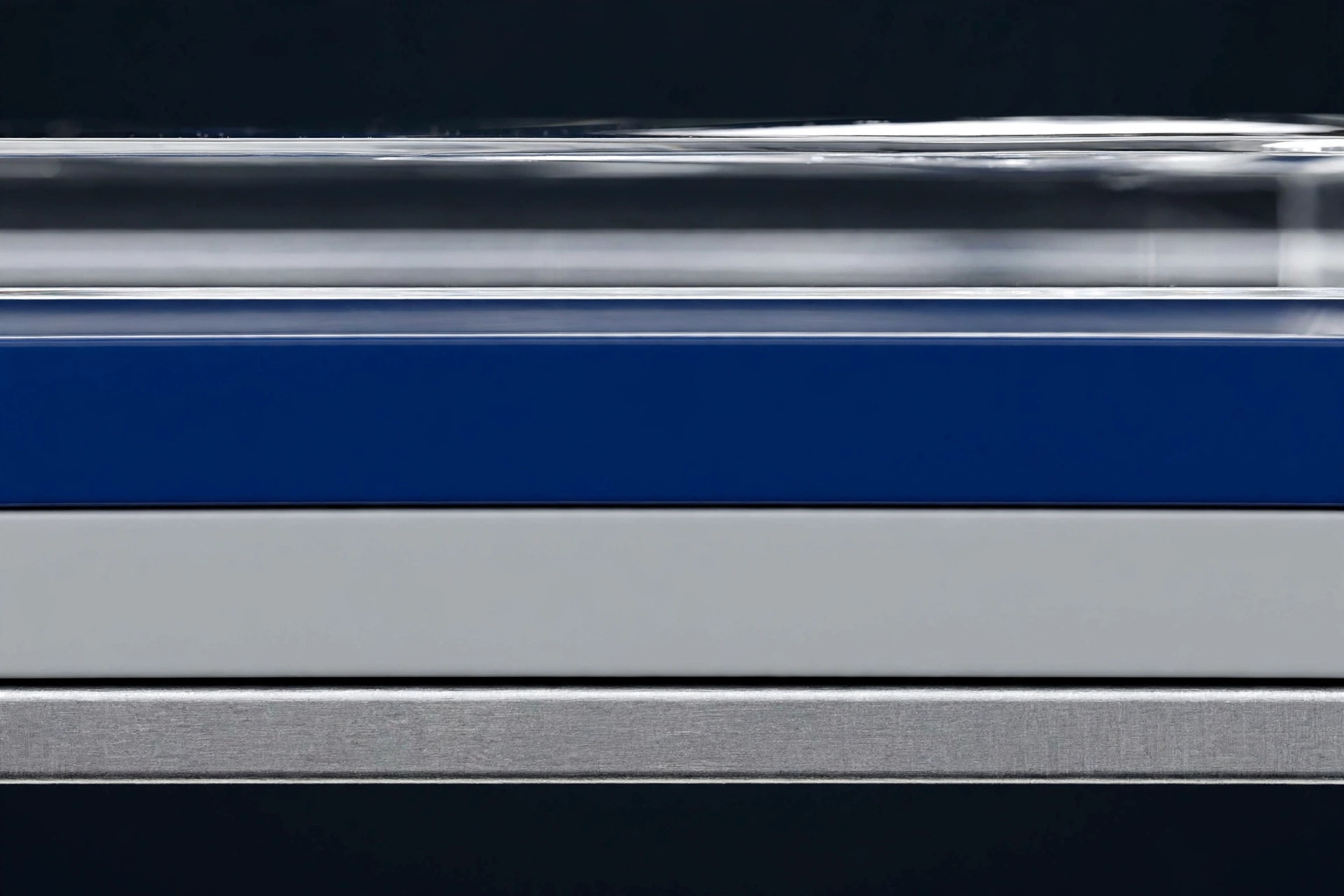
From the metal outward, modern automotive paint is:
- Primer — bonds everything to the body and prevents corrosion
- Base coat — the actual color. It has almost no gloss and no durability on its own; it's just pigment
- Clear coat — a transparent urethane shell that provides all the gloss, UV protection, and chemical resistance
That clear coat is roughly 2 mils thick — about half the thickness of a human hair. That tiny transparent shell is doing all the work you see: the shine, the depth, the protection. Everything else is underneath it.
Everything You Do Works the Clear
Here's why this matters practically. Every interaction with your paint happens at the clear coat:
- Washing — done wrong, it micro-mars the clear (that's where swirls come from)
- Clay bar — shears contaminants off the clear
- Polishing — levels defects out of the clear, spending a microscopic amount of it each time
- Ceramic coating — bonds to the clear, becoming a sacrificial shell on top of it
The clear is a finite resource. You get one factory application, and every correction spends a little. That's not a reason to fear polishing — a proper correction removes only what's needed — but it is the reason a professional measures paint depth before cutting.
Why Factory Paint Is Worth Saving
Factory paint is baked on in a controlled environment with robotic consistency. No body shop on earth fully replicates it — that's why resprays can have texture, orange peel, or color-match issues that factory paint never had.
Which means the hierarchy is simple: preserve the clear first, correct it carefully second, and repaint only when there's no other option. Proper washing prevents the swirls. Decontamination keeps the surface clean. Correction fixes what's already there. And a ceramic coating takes the abuse so the clear doesn't have to.
What About Older Single-Stage Paint?
Cars from before the '80s (and some fleet vehicles after) often wore single-stage paint — color and gloss in one layer, no separate clear. It oxidizes directly, which is why old red cars turn pink: the color layer itself is dying, not a clear shell over it.
Single-stage can often be revived dramatically with polishing because you're working the color itself, but it has no clear to sacrifice — every correction works the actual pigment. If you own a classic, the preservation logic matters even more: keep it waxed or coated, wash it gently, and correct it sparingly.
Quick tip: the easiest way to respect your clear coat costs nothing — use the two-bucket wash method with grit guards and clean microfiber. Most swirls are installed by hand, one bad wash at a time.
The Bottom Line
Your car's beauty lives in a layer half as thick as a hair. Treat it like the finite, precious thing it is — wash it right, correct it carefully, and protect it with something sacrificial — and it'll look new for years.
Message us today to talk through the right protection plan for your vehicle.
Vinnie's Auto Detailing and Ceramic Coating — Brookville, PA. ⭐100% Five Star Reviews⭐ | ☎️ 724-689-5482